Seattle roofs work harder than most. Wind off Elliott Bay, long rain cycles, and a few hot summer stretches test every shingle. Small problems often start with one lifted tab or a nail pop after a winter storm. Left alone, leaks creep into sheathing and attic insulation. This guide walks through practical, homeowner-level repairs that hold up in the Puget Sound climate, plus judgment calls on when to call shingle roofers near me for a lasting fix.
Spot issues fast in Seattle’s wet season
Most leaks start small. A homeowner in Ballard found a brown ring on a bedroom ceiling after the January atmospheric river. The cause was two cracked shingles and a loose flashing nail around a plumbing vent. Quick surface repairs stopped the drip, but the attic showed damp sheathing that needed extra airflow to dry. Catching the problem within a week prevented mold and saved thousands.
Look for curled edges, missing tabs, cracked surface granules, exposed nail heads, sagging roof lines, soft decking near eaves, and granules collecting at downspouts after heavy rain. In neighborhoods like Queen Anne or Beacon Hill with older bungalows, expect more granule loss and brittle shingles after 18 to 22 years.
Safety and setup that actually works on a wet roof
Seattle mornings leave roof surfaces slick. Work on a dry day with shingle roofers near me light wind. Shoes with clean, soft soles grip asphalt best. A harness on a secure anchor point is wise on anything steeper than 6/12. Keep tools in a belt to avoid trips up and down ladders. A simple blue tarp and roofing magnets help control mess and stray nails, especially over garden beds in Wallingford or West Seattle.
Core tools: flat pry bar, hammer, utility knife with hook blades, roofing nails (galvanized, 1.25 to 1.5 inches), roofing cement, a few replacement shingles that match weight and color, and a tube of high-quality sealant rated for wet climates. For larger patches, add an underlayment roll and tin snips for flashing.
Step-by-step: swap a damaged shingle the right way
This is the most common homeowner repair. Do it cleanly and it blends in; do it wrong and wind lifts the area again.
- Slide a flat pry bar under the shingle two courses above the damage and break the factory seal by gently lifting. Work from the sides to avoid tearing. Lift each overlying shingle edge enough to expose the nails holding the damaged piece. Pry up the nails on the damaged shingle and the nails on the shingle above that overlap it. Remove the damaged shingle. If it fights, score it with a hook blade and take it out in sections. Slide the new shingle into place. Align the exposure line with neighbors. Nail in the marked nailing zone with four nails for standard installs, six nails for wind-prone spots like Alki Point or open ridges. Keep nails flush, not overdriven. Dab roofing cement under the lifted tabs to reseal. Press down the overlying shingles to reset the bond. In cool Seattle weather, cement helps where factory adhesive needs warmth to activate.
That four-step swap holds well through rain and spring winds. If the area still lifts after a week, add a small atlasroofingwa.com roofing shingles Seattle bead of sealant under the leading edge and check for a nearby nail pop.
Nail pops, small cracks, and curled tabs
A nail pop looks like a raised bump telegraphing through the shingle. It often results from thermal movement or a nail that missed the deck seam.
- Back the nail out, fill the hole with roofing cement, and drive a new nail 1 inch away into solid decking. Cover the nail head with a small dab of cement and reseat the shingle tab.
For hairline cracks, bridge the split on the underside with a smear of cement, then press the crack together on top and dress the seam with a light coat. Too much cement invites dirt and looks messy. Curled tabs can be flattened with a bead of cement under the curl and firm hand pressure for 30 seconds.
These are temporary if the shingle has generalized granule loss. If many tabs curl or crack across a slope on a 20-year-old roof in Ravenna, replacement becomes more practical than spot fixes.
Flashing and vent boot trouble spots
Most leaks in Seattle come from flashing, not the field shingles. Chimneys on older Capitol Hill homes often carry tar patches that crack after a couple of seasons. Plumbing vent boots crack around the collar.
Short-term fix for a cracked vent boot: trim a small piece of aluminum flashing to bridge the crack, slide it under the upper course, and bed it in a ring of high-grade sealant. Long-term fix: replace the boot. Lift the shingles around the boot base, remove nails, swap the boot, and reinstall shingles. Keep the top flange under the upper course and the side and bottom flanges above the lower course for proper shingle water-shedding.
At chimneys, look for step flashing under the siding or counterflashing set into the mortar. If water travels behind the step flashing, add a small kick-out at the base to push water into the gutter. Do not rely on surface tar alone; it buys time but fails under winter rains.
Underlayment patches for wind-lifted sections
After a big November blow, a half-dozen shingles may go missing along the rake. Before installing new shingles, slide a strip of underlayment under the exposed area to protect the deck. Secure the underlayment with cap nails every 12 inches, then install replacement shingles from the bottom up, locking each course with correct overlap and six nails per shingle. Seal the rake edges lightly. This layered approach keeps wind from getting under the patch.
Moss, gutters, and why simple maintenance pays
Seattle moss is relentless on north-facing slopes in Fremont or Magnolia. Moss lifts shingle edges and traps moisture. Gently brush moss with a soft bristle brush and apply a zinc or oxygen-based treatment labeled for asphalt shingles. Avoid pressure washing; it strips granules and shortens roof life. Install zinc or copper strips near the ridge to slow regrowth.
Keep gutters and downspouts clear. Overflow at eaves saturates the first three shingle courses and the fascia. In storms that drop 1 to 2 inches in a day, clean gutters can be the difference between dry soffits and soaked plywood.
How to judge DIY versus calling shingle roofers near me
Homeowners handle single-shingle swaps, nail pops, and small vent boot repairs well. Call a pro if the roof is steep, the damage crosses multiple courses, decking feels soft, or leaks persist after a careful patch. Homes in Rainier Valley with older skip-sheathing, or mid-century homes with low-slope additions, often need underlayment upgrades for dependable performance.
A professional inspection should include attic checks for moisture, infrared or pin-meters when needed, fastener pattern review, and a written estimate with photos. Good shingle roofers near me in Seattle will discuss code-required ice and water shield at eaves in specific exposures, ridge venting, and correct nail counts for local wind zones.
Cost ranges that help plan the decision
Small homeowner repairs using a bundle of matching shingles, cement, and nails usually fall under 150 dollars in materials. A vent boot replacement lands around 200 to 400 dollars when done by a contractor, depending on access. Replacing 1 to 2 squares after wind damage may run 600 to 1,200 dollars, influenced by steepness, story count, and haul-away. If decking damage shows up, add 3 to 5 dollars per square foot for plywood replacement. These numbers reflect typical Seattle pricing, but a site visit confirms scope.
Seasonal timing and weather windows
Shingle repairs perform best with dry surfaces and temperatures above 45°F so adhesive strips bond. In Seattle, that means fair breaks between October systems or spring windows from March through June. Summer heat helps seals set fast, but work early to avoid scuffing softened shingles. If a leak occurs in a storm cycle, a short-term tarp with 2x4 battens over ridges is acceptable for 24 to 72 hours until a dry window opens.
Extend roof life with small upgrades
A few simple choices add years. Upgrade to six nails per shingle on edges and ridges in windy zones. Add starter strips at eaves and rakes if missing on older roofs. Use high-quality sealants rated for constant moisture. Improve attic ventilation to keep sheathing dry, especially in homes near Lake City where tall trees shade roofs most of the day. Each small improvement reduces maintenance calls and helps shingles reach their expected 18 to 25-year service life.
Hiring locally in Seattle, WA
Local crews read the weather and carry the right materials for marine exposure. Atlas Roofing Services works across Seattle and nearby suburbs, from Greenwood to Georgetown and out to Shoreline and Burien. The team documents the problem, shows clear photos, and explains options in plain language. For urgent leaks, scheduling often happens same day or next morning, which matters during November and December storms.
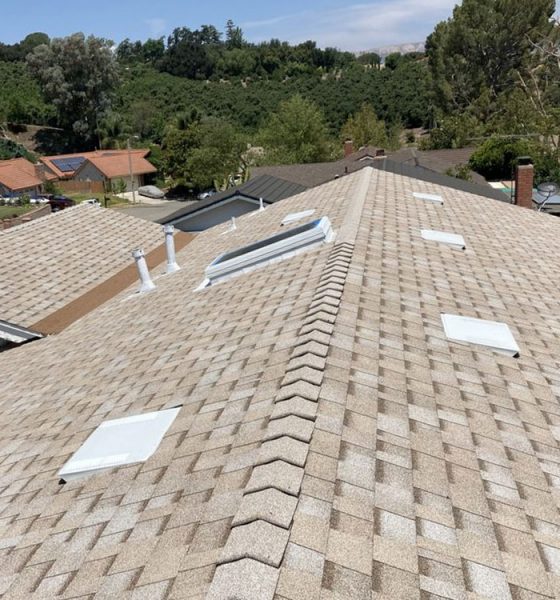
Quick homeowner checklist before calling a pro
- Take clear photos of the roof area from the ground and, if safe, close-ups from a ladder. Note where staining appears inside and how fast it spreads after rain. Check the attic with a flashlight for damp sheathing or wet insulation. Clear debris from gutters and valleys to rule out overflow issues. Gather roof age, shingle brand if known, and past repair notes.
With that information ready, a roofer can give a tighter estimate and arrive with the right shingles and boots.
Ready for help from shingle roofers near me
Whether the job is a single cracked shingle in Phinney Ridge or a wind-lifted ridge in Columbia City, quick, clean work prevents bigger repairs. For a fast inspection and a straightforward plan, contact Atlas Roofing Services. The crew handles small patches, leak tracing, and full shingle replacements across Seattle, WA. Call, text, or book online to get on the schedule and keep the roof dry before the next system rolls through.
Atlas Roofing Services provides professional roofing solutions in Seattle, WA and throughout King County. Our team handles residential and commercial roof installations, repairs, and inspections using durable materials such as asphalt shingles, TPO, and torch-down systems. We focus on quality workmanship, clear communication, and long-lasting results. Fully licensed and insured, we offer dependable service and flexible financing options to fit your budget. Whether you need a small roof repair or a complete replacement, Atlas Roofing Services delivers reliable work you can trust. Call today to schedule your free estimate.
Atlas Roofing Services
Seattle, WA, USA
Phone: (425) 728-6634
Websites: https://atlasroofingwa.com | https://sites.google.com/view/roof-replacement-seattle/home
Social Media: Yelp
Map: View on Google Maps